






5 Unexpected Berlin culture shocks
Moving to another country always comes with surprises. That’s part of the excitement, but even students from across Europe may still experience a few unexpected culture shocks when moving to Berlin.
(You’ll quickly notice that ‘Welcome to Berlin’ is the go-to response from locals when you bring up these interesting cultural quirks!)
Bakeries everywhere
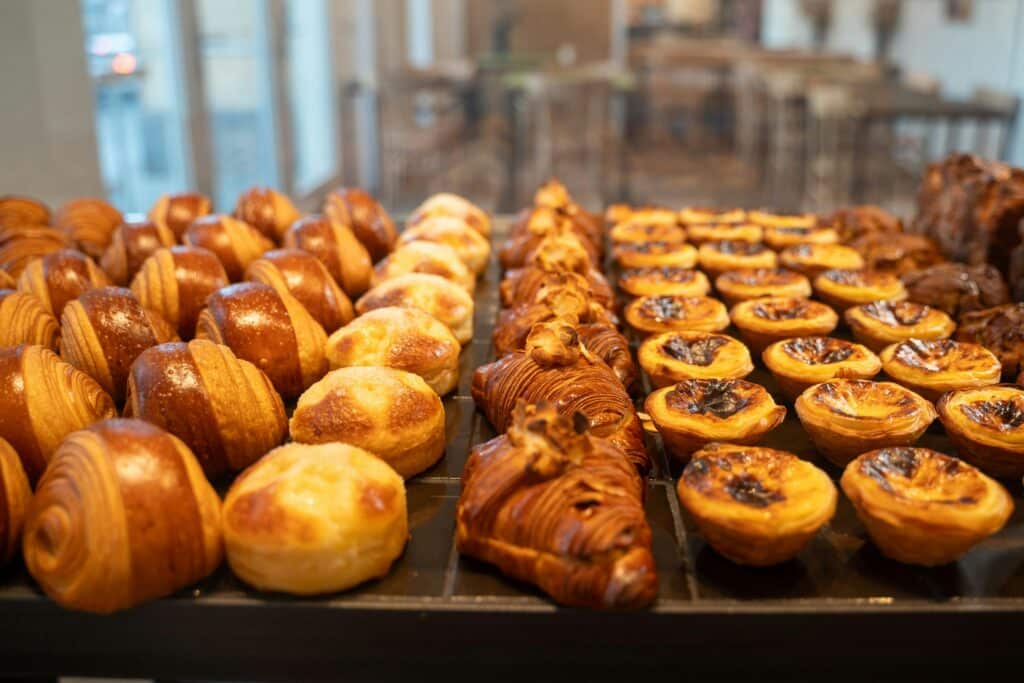
They really are everywhere. Bakeries have been an important part of Germany since the Middle Ages, and in 2014, their bread culture was recognised by UNESCO as part of its cultural heritage.
Bread like rye, sourdough, and pretzels isn’t just tasty – it also reflects different regions. You’ll find bakeries in supermarkets, train stations, and all over the city, making fresh bread and snacks easy to grab on the go.
Smoking inside
In Berlin, it’s still fairly common for some bars and venues to have designated indoor smoking areas. These are usually separated from the main seating to limit second-hand smoke, but seeing people smoke indoors can still feel surprising in 2026.

Always have cash on you
This is very important. Berlin has long been one of Europe’s start-up capitals for new and emerging technology; however, the city is tied to older traditions in a few unexpected ways, including cash payments. Some restaurants, shops and takeaways in and outside Berlin do not accept cards.
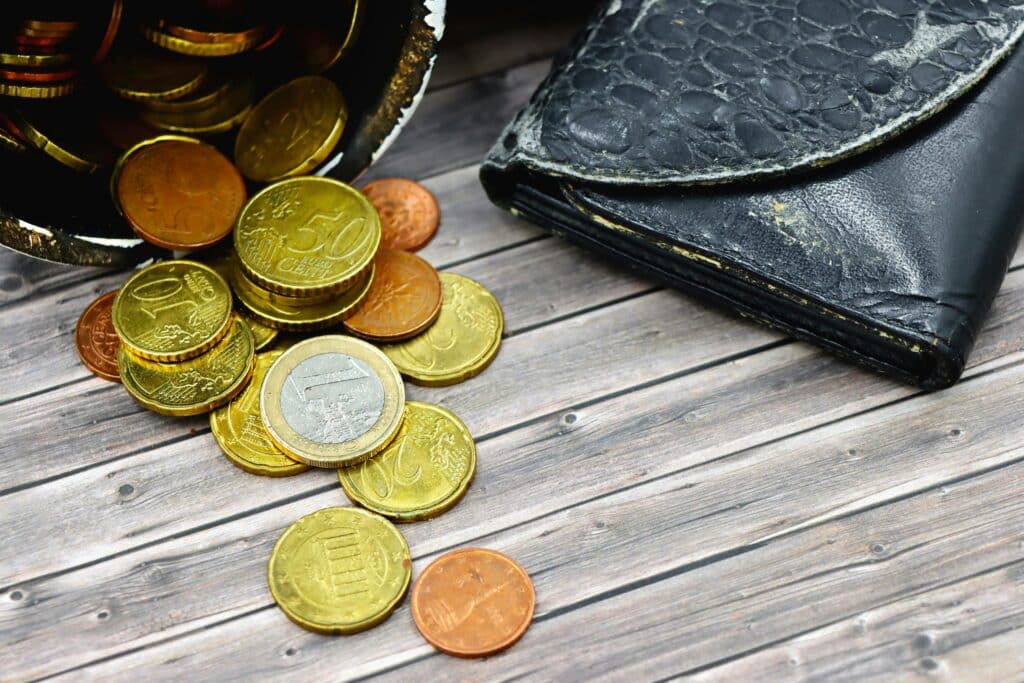
While it is entirely possible to get by using Apple Pay, we recommend keeping some cash and coins on you at all times. Additionally, most public restrooms require a fee of €0.50-€1.50 to use them, especially in areas with high tourist populations.
Pfand
This is one of the things Germans are most proud of. A perfect example of an effective circular economy, allowing citizens to return used bottles and cans for cash vouchers.
When you buy a bottled beverage at any store, you pay a small deposit (or Pfand) that you get back when returning the bottle to dedicated machines at the supermarket for a monetary voucher that you can use when buying groceries.
Single-use Aluminium cans will give you around €0.25, while reusable bottles for beer, soft drinks and water will return a €0.08 – €0.15 voucher.

Everything is closed on Sundays
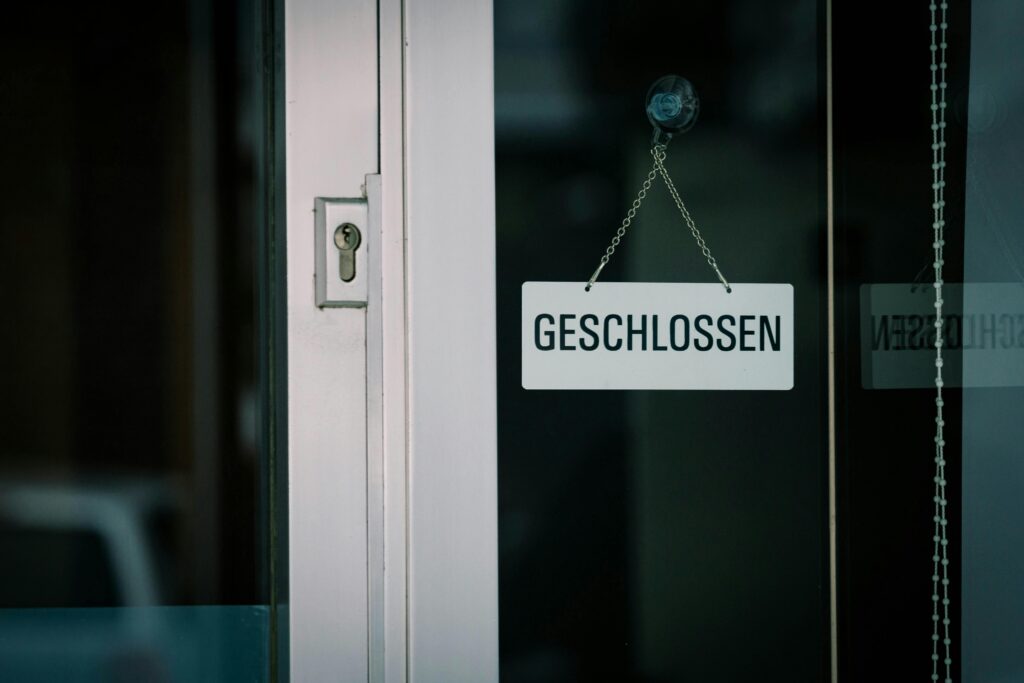
“Sonntag ist Ruhetag” is another semi-serious phrase you will hear a good bit after landing in Germany. The Sunday rest tradition has existed here for a very long time, and is legally supported by labour protection laws restricting certain stores from being open to ensure rest for workers over the weekend.
Places closed on Sundays:
- Supermarkets (Aldi, Lidl, Rewe, Edeka)
- Shopping malls and retail stores
- Clothing stores and boutiques
Places open on Sundays:
- Restaurants and cafés
- Bars and pubs
- Convenience shops and Spätis
- U-bahn station bakeries (no surprises here)
- Museums, galleries, and theatres
So if you’re low on groceries at the end of the week, make sure you stock up before Sunday!
Interested in studying in Berlin?
While these culture shocks might take some getting used to, they’re all part of what makes life in Berlin so unique. From its rich history to its creative, fast-paced atmosphere, the city offers an unforgettable student experience – one that quickly starts to feel like home.
Discover more about studying in Berlin with BIMM below.